01344 550469LONDON / BERKSHIRE / SURREY
ELITE ROOFINGPROTECTION. IN EVERY DETAIL.
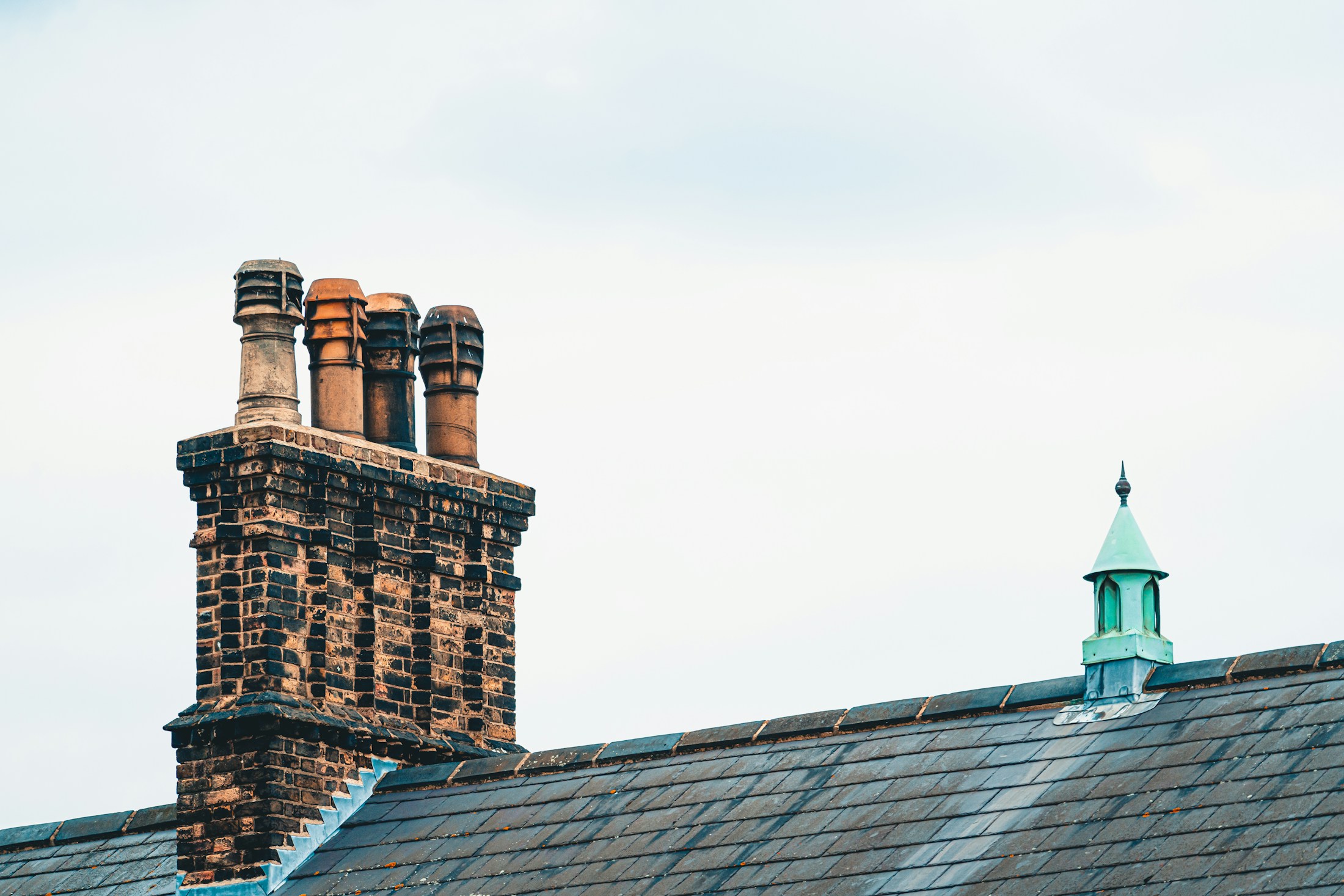
Architectural roof reference, not an Elite Roofing project
LOOK AT THE STACK AND THE JUNCTION.

Chimney repairsConsidered chimney work, with the scope made clear.

Chimney problems can involve the visible masonry, the top of the stack or the weathering where it meets the roof. Each needs a proper assessment before work is specified. A considered repair plan separates the different elements, explains access requirements and identifies when additional specialist advice is needed for the particular chimney.

Request a roof survey
ARCHITECTURAL REFERENCE PHOTOGRAPHY
UNDERSTAND THE NEED

Look closer.
Plan properly.

The right scope begins with the condition of your property.

  • Damp around a chimney breast or roof junction
  • Deteriorating mortar or visible masonry defects
  • Damaged flashing around the chimney stack
  • A chimney needing assessment during roof renewal

Confirm the access, existing condition and any connected work during the assessment. Photographs can help start the conversation.

THE DETAILS THAT MATTER

What the work
needs to address.

01

Assess the visible condition

The starting point is the chimney's condition and the symptoms that prompted the enquiry. Photographs may help with the initial conversation, but a suitable inspection is needed to establish the scope. The assessment should be clear about areas that could not be inspected and whether further specialist input is required.

02

Separate masonry and weathering

Repairs to brickwork or mortar address a different part of the chimney from the flashings around its base. A quotation should identify both where relevant and explain how they relate to the reported problem. Renewing one element should not automatically be presented as a complete solution for every chimney defect.

03

Define access and related work

Chimney work often involves a concentrated area that still requires carefully planned access. The proposal should explain the access arrangement and any protection, roof-covering work or waste removal included. If adjacent tiles, slates or flashing must be lifted and reinstated, that work should be made explicit in the agreed scope.

04

Know the limits of the roofing scope

A chimney can have structural and flue-related considerations beyond visible roofing repairs. The assessment should identify where advice from an appropriately qualified specialist is needed. Any work affecting an appliance, flue or the chimney's support should have clearly assigned responsibilities, rather than being assumed to form part of a general roof repair.

EXPLORE THE POSSIBILITIES

Compare
your options.

Suitability depends on the property, the selected product system and the agreed design.

Masonry and pointing assessment

Visible deterioration can prompt a closer look at the chimney's masonry and joints. The proposed repair should suit the existing construction and condition. The quotation should identify the affected areas and explain any limitations or need for further assessment before work proceeds.

Chimney weathering

The roof junction may involve apron and side flashings, a back gutter and associated covering details. Assessment should establish which parts require attention and whether masonry work is also needed. A complete scope explains the connection between the components being repaired.

Work alongside roof renewal

A planned roof project provides an opportunity to assess associated chimney details at the same time. The quotation should distinguish roofing work from any chimney repairs, state which existing elements will remain and identify any separate specialist work that needs coordination.

PLAN WITH CONFIDENCE

Before you
commit to the work.

Look at the stack head as well as the flashing

A chimney has several exposed details: pots, the mortar around their bases known as flaunching, masonry joints and the weathering where the stack meets the roof. Water can enter by different routes, so work limited to one visible defect may leave another unresolved. The inspection should distinguish these elements and establish whether each flue is active or disused before changes to pots or terminals are considered.

Match masonry repairs to the existing chimney

Older brick and stone stacks need a compatible repair approach. The mortar's suitability matters alongside its colour and finish; a hard cement-rich repair is not an automatic improvement for traditional masonry. Ask whether the work involves local repointing, replacement of damaged units or more extensive rebuilding, and how existing details and any conservation requirements will be considered before the scope is agreed.

BEFORE WORK BEGINS

A clear scope.
Fewer surprises.

Agree what is included, what remains uncertain and how any additional work will be authorised.

  1. Assessment & accessRoof condition, safe access, scaffolding and neighbouring property considerations.
  2. Materials & detailsSelected products, junctions, weather protection and connected works.
  3. Written proposalScope, exclusions, waste removal, programme and payment stages.
  4. Completion & careFinal review, outstanding items and applicable product or workmanship documents.
YOUR QUESTIONS

Know what
to ask.

Can chimney repairs stop damp inside the house?+

They may address the problem if the assessed cause is within the agreed chimney repair scope. Damp near a chimney needs investigation because the location alone does not prove which component has failed. The recommendation should explain the findings and any uncertainties that remain.

Can an unused chimney simply be removed?+

Removal needs its own assessment and specification. The chimney's construction, support and relationship to the property must be considered, along with any relevant approvals and specialist advice. It should not be treated as an automatic addition to a general roofing quotation or a simple cosmetic change.

Will a roofer also check the fireplace or appliance?+

Roofing assessment and appliance or flue work are different scopes. If a concern involves the fireplace, appliance, flue operation or ventilation requirements, the relevant qualified specialist should be involved. Responsibilities should be clear before work starts, especially where the chimney serves an appliance still in use.

Should an unused chimney be sealed completely?+

A disused flue can still need ventilation to control moisture. Rain protection and ventilation therefore need to be considered together. The arrangement should follow an assessment of the chimney and its use; an active appliance must not be treated as a redundant flue.

Is a chimney cowl the same as repairing the stack?+

No. A suitable terminal may address a particular opening or flue requirement, but it does not repair deteriorated brickwork, defective flaunching or a failed roof junction. Identify the actual problem and confirm compatibility with the chimney's use before selecting a terminal.

A CLEAR NEXT STEP

Your roof.
Let’s look closer.

Whether you have noticed a problem or are planning a larger change, begin with a few details about the property and the work you have in mind.

  • A property-specific assessment
  • Repair and replacement options explained
  • A written scope before work is agreed
LEAK OR RECENT DAMAGE?

Tell us what is happening and how urgently you need help. An online enquiry does not confirm attendance or an emergency response.

A FEW DETAILS TO BEGIN

Tell us about your roof.

Only take photographs from a safe position. There is no need to climb onto a roof or use a ladder for this enquiry.

Your enquiry is sent to the roofing team. Submitting this form does not confirm a survey appointment.

Call the officeWhatsAppRequest a survey
Selected roofing project photograph