01344 550469LONDON / BERKSHIRE / SURREY
ELITE ROOFINGPROTECTION. IN EVERY DETAIL.
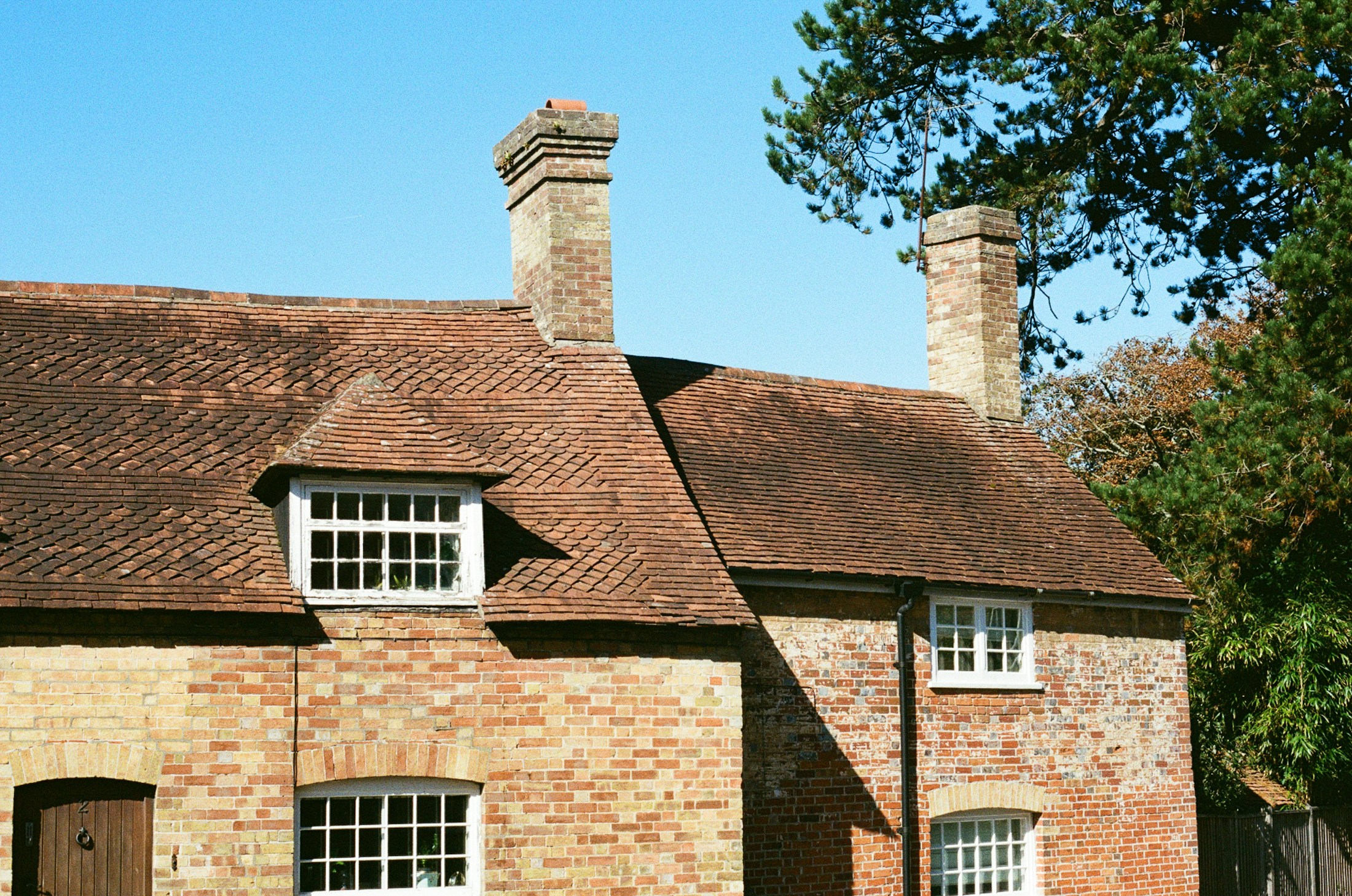
Architectural roof reference, not an Elite Roofing project
FIND THE CAUSE. DEFINE THE REPAIR.

Roof repairsA considered repair starts with the whole roof.

A slipped tile may be obvious. The route water takes into a building often is not. Roof repair work begins by understanding the symptoms, inspecting the relevant covering and junctions, and considering the surrounding roof. The aim is a proportionate scope, with a clear explanation of what the proposed repair will address.

Request a roof survey
ARCHITECTURAL REFERENCE PHOTOGRAPHY
UNDERSTAND THE NEED

Look closer.
Plan properly.

The right scope begins with the condition of your property.

  • A new damp patch or recurring leak
  • Slipped, cracked or missing tiles and slates
  • Damaged flashing or a leaking roof junction
  • Storm damage or an uncertain previous repair

Confirm the access, existing condition and any connected work during the assessment. Photographs can help start the conversation.

THE DETAILS THAT MATTER

What the work
needs to address.

01

Understand the symptoms

Useful information starts indoors: where the mark appears, whether it follows heavy rain, and how the problem has changed. Photographs and a short history help focus the assessment. Roof-space moisture can also involve condensation, so the visible stain alone should not be treated as proof of a particular external defect.

02

Inspect the relevant details

The assessment considers the roof covering and the details around the suspected problem, including nearby junctions and rainwater routes. Safe access and the limits of a visual inspection matter. If an area cannot be properly assessed without opening it up, that uncertainty should be explained before a repair scope is agreed.

03

Agree a proportionate scope

A local defect and a roof with wider deterioration call for different conversations. The proposed work should identify the area being repaired, the materials involved and any limitations caused by the condition of the surrounding roof. Where alternatives make sense, the reasons for choosing a repair or broader renewal should be clear.

04

Check and hand over

The finished work should be checked against the agreed scope, with a record of the details addressed and any remaining observations. Access equipment, waste and protection arrangements belong in the quotation. If concealed damage changes the work needed, the proposed variation should be discussed before additional work is carried out.

EXPLORE THE POSSIBILITIES

Compare
your options.

Suitability depends on the property, the selected product system and the agreed design.

Local covering repairs

For a limited problem involving tiles, slates or associated fixings, the first question is the condition of the surrounding area. A matching appearance is useful, but compatibility and the reason the original detail failed also need consideration.

Junction and flashing repairs

Leaks near a wall, chimney, valley or roof window need close attention to how the materials meet. Repair proposals should identify the relevant weathering detail and explain how the surrounding covering will be managed as part of the work.

Repair or wider renewal

Repeated patches can make the next decision less straightforward. Compare the likely scope of a further repair with the roof's wider condition, access requirements and any unresolved defects. The appropriate choice should follow an assessment of the actual roof.

PLAN WITH CONFIDENCE

Before you
commit to the work.

What the pattern of a leak can tell you

A mark appearing during wind-driven rain, a drip after prolonged rainfall and moisture noticed mainly in cold weather are different clues. Note the conditions and whether the mark is growing; photographs taken at different times can help. Water can travel before it becomes visible, and condensation can resemble a leak. These observations help direct an investigation, rather than proving that the defect sits directly above the stain.

Separate temporary protection from the lasting repair

If temporary protection is proposed, ask which area it covers, what its limitations are and what happens next. The record should distinguish the immediate measure from the permanent repair, including whether a return inspection, opening-up work or additional access is needed. A short-term intervention should leave you with a clear next step and an explanation of any roof areas that remain unresolved.

BEFORE WORK BEGINS

A clear scope.
Fewer surprises.

Agree what is included, what remains uncertain and how any additional work will be authorised.

  1. Assessment & accessRoof condition, safe access, scaffolding and neighbouring property considerations.
  2. Materials & detailsSelected products, junctions, weather protection and connected works.
  3. Written proposalScope, exclusions, waste removal, programme and payment stages.
  4. Completion & careFinal review, outstanding items and applicable product or workmanship documents.
YOUR QUESTIONS

Know what
to ask.

Does a leak mean the roof needs replacing?+

Not necessarily. A local defect may be suitable for repair, while deterioration across a larger area may make renewal more appropriate. The cause, extent and surrounding condition need assessment. A photograph can help explain the problem, but it does not establish the full scope.

Can you quote from photographs?+

Photographs are useful for the initial conversation and may help identify the right next step. They cannot reveal every roof detail or concealed condition. Whether a firm quotation is possible depends on the proposed work and whether an adequate assessment can be made.

What should a repair quotation include?+

Look for a clear description of the affected area, proposed materials, access and waste arrangements, price and any exclusions. It should also explain what happens if further damage is uncovered. Temporary protection and a permanent repair should be described separately where both are relevant.

Why might the inspection extend beyond the visibly damaged tile?+

The visible break may be only part of the problem. Nearby fixings, the supporting battens, underlay and junctions can affect the repair. Limited opening-up may be needed to understand those details; its extent and any associated cost should be explained first.

What if the first inspection cannot confirm the cause?+

Ask for a distinction between what was observed and what remains uncertain. A useful next step identifies the area to investigate, the access or opening-up required, any separate investigation charge and how the findings will inform a repair quotation.

A CLEAR NEXT STEP

Your roof.
Let’s look closer.

Whether you have noticed a problem or are planning a larger change, begin with a few details about the property and the work you have in mind.

  • A property-specific assessment
  • Repair and replacement options explained
  • A written scope before work is agreed
LEAK OR RECENT DAMAGE?

Tell us what is happening and how urgently you need help. An online enquiry does not confirm attendance or an emergency response.

A FEW DETAILS TO BEGIN

Tell us about your roof.

Only take photographs from a safe position. There is no need to climb onto a roof or use a ladder for this enquiry.

Your enquiry is sent to the roofing team. Submitting this form does not confirm a survey appointment.

Call the officeWhatsAppRequest a survey
Selected roofing project photograph