01344 550469LONDON / BERKSHIRE / SURREY
ELITE ROOFINGPROTECTION. IN EVERY DETAIL.
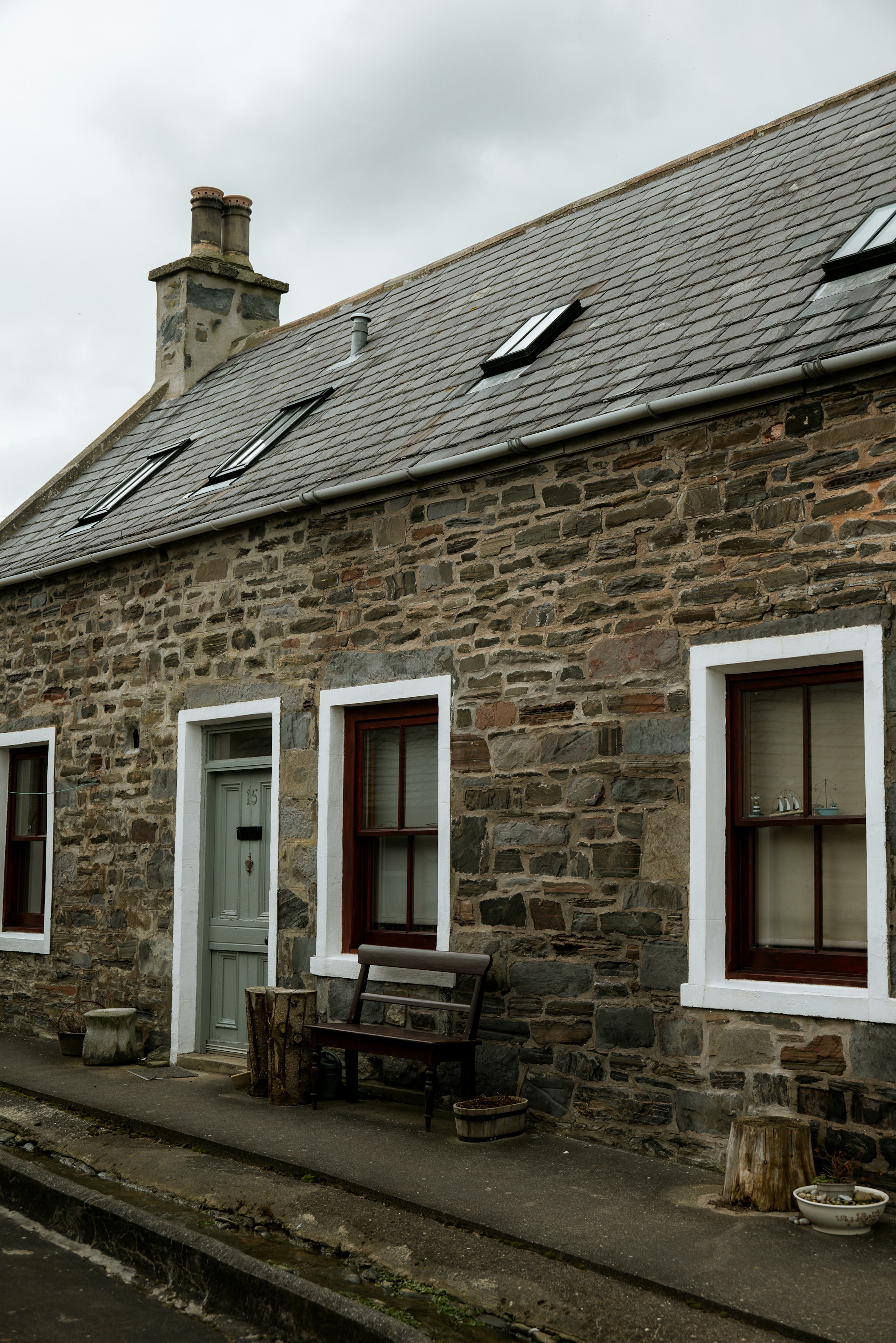
Architectural roof reference, not an Elite Roofing project
DAYLIGHT, CAREFULLY INTEGRATED.

Roof windowsMake the opening part of a well-considered roof.

A roof window can change how a room feels, but the installation needs to work with the roof around it. Product choice, position, roof pitch and the correct flashing arrangement all matter. The proposal should also make clear what is included inside the room, from the opening itself to the intended internal finish.

Request a roof survey
ARCHITECTURAL REFERENCE PHOTOGRAPHY
UNDERSTAND THE NEED

Look closer.
Plan properly.

The right scope begins with the condition of your property.

  • A replacement for an ageing roof window
  • A planned window within a roof project
  • A leaking or uncertain roof-window junction
  • Advice on position, opening options and finishes

Confirm the access, existing condition and any connected work during the assessment. Photographs can help start the conversation.

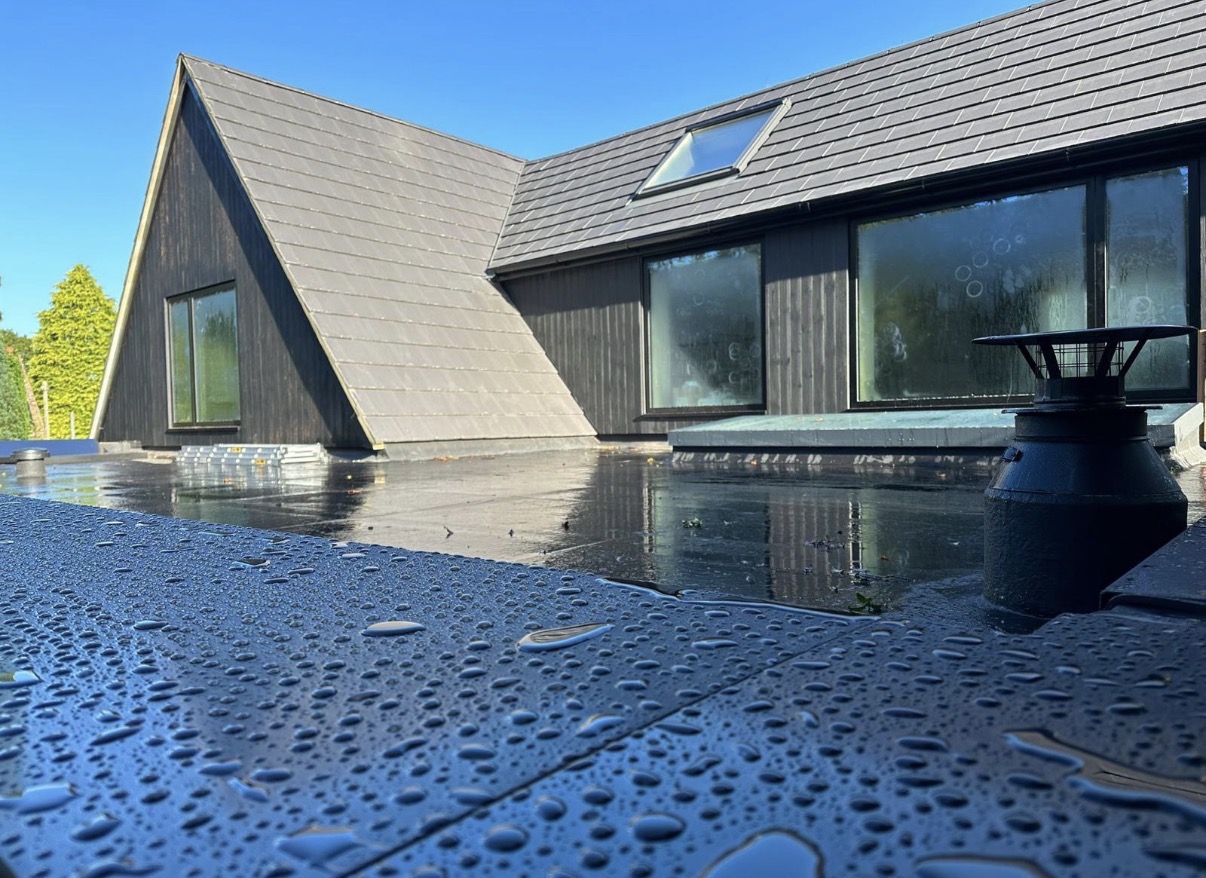
Wet dark flat-roof surface with a vent, adjoining pitched roof and roof window
RECENT WORK / FINISHED ROOF

Look closer.
See the detail.

Rain on the finished flat roof, with the adjoining pitched roof, dormer and roof window beyond.

Explore the project photographs
THE DETAILS THAT MATTER

What the work
needs to address.

01

Choose the right location and product

The starting point is the room and the roof above it. Position, intended use and the available space help shape the proposal, alongside the roof's construction and pitch. The chosen product should suit its intended installation, with any structural or other specialist considerations identified before the final specification is agreed.

02

Match the flashing to the covering

The connection between a roof window and the surrounding covering is a key part of the system. Different materials and installation arrangements use different flashings. The proposal should identify a compatible combination for the selected window and the actual roof, rather than assuming one flashing kit is suitable for every covering.

03

Define the internal work

A roof-window quotation should explain where the roofing scope ends and the internal work begins. The opening, associated insulation details, lining and decoration may involve different responsibilities. Stating the intended finish and exclusions before work starts makes it easier to coordinate the installation with any other work taking place in the room.

04

Plan access and handover

The installation needs a suitable access plan and protection for the working area. At handover, the product details, operating information and care instructions should be available, together with any relevant documentation. The actual product terms and the installer's workmanship terms should be explained separately so the scope of each is understood.

EXPLORE THE POSSIBILITIES

Compare
your options.

Suitability depends on the property, the selected product system and the agreed design.

Like-for-like replacement

Replacing an existing window starts with identifying the product and assessing the surrounding roof. A similar size does not remove the need to check the installation details. The proposal should make clear which flashing, internal finish and adjacent covering work are included.

A new roof-window opening

A new opening needs coordination with the roof structure and the room below. Position, product choice and the intended internal finish should be considered together. Any required specialist input or approvals need to be identified before the proposed installation is finalised.

Renewal during a roof project

Roof replacement can be an appropriate time to review existing windows or consider new ones. The specification should coordinate the covering, window and flashing details, and the quotation should identify the window-related work explicitly rather than leave it as an assumed extra.

PLAN WITH CONFIDENCE

Before you
commit to the work.

Choose an opening method you can use comfortably

Window position and furniture layout affect how easily you can reach the controls. Centre-pivot and top-hung windows open differently, while electric or solar operation may suit an out-of-reach position. Consider everyday opening, cleaning access and blind controls together. Ask which features belong to the proposed model, including whether automatic rain closure is provided, rather than assuming every window in a range has the same equipment.

Balance daylight with heat, glare and noise

The room's use matters when choosing glazing and shading. A bedroom may need blackout control, while a sun-exposed room may benefit from external shading that helps limit heat gain. Glazing options can differ in thermal and acoustic performance. Compare the specified products and their documented performance; the window size alone does not explain how comfortable the finished room will feel.

BEFORE WORK BEGINS

A clear scope.
Fewer surprises.

Agree what is included, what remains uncertain and how any additional work will be authorised.

  1. Assessment & accessRoof condition, safe access, scaffolding and neighbouring property considerations.
  2. Materials & detailsSelected products, junctions, weather protection and connected works.
  3. Written proposalScope, exclusions, waste removal, programme and payment stages.
  4. Completion & careFinal review, outstanding items and applicable product or workmanship documents.
YOUR QUESTIONS

Know what
to ask.

Can any roof window be fitted to any roof pitch?+

No. Products and flashing systems have specific installation requirements, including suitable roof pitches and coverings. The selected combination must be checked against the actual roof. A general statement about roof windows should not replace the manufacturer's guidance for the product being proposed.

Will the installation include plastering and decorating?+

That depends on the agreed quotation. Roofing work, internal lining, plastering and decoration may be separate items or responsibilities. The scope should explain the intended finish inside the room and any exclusions so that the completed appearance and any additional work are understood in advance.

Does a leaking roof window always need replacing?+

Not necessarily. The window, flashing and surrounding roof need assessment to understand the issue. The appropriate response may involve a repair, associated roof work or replacement, depending on the findings. The proposal should explain what has been assessed and why the recommended scope is suitable.

Could moisture on the window be condensation rather than a roof leak?+

Yes. Moist indoor air can condense on colder surfaces, while water around the installation can have other causes. Note where the moisture appears and when it occurs. The glazing, room conditions and surrounding roof details need consideration before deciding what work is needed.

What information helps identify an existing roof window?+

A photograph of the manufacturer's identification plate, where safely accessible, can help establish the model and size. Include an interior view and describe the fault. For VELUX windows, the type sign provides product information useful when checking replacement, accessory or repair options.

A CLEAR NEXT STEP

Your roof.
Let’s look closer.

Whether you have noticed a problem or are planning a larger change, begin with a few details about the property and the work you have in mind.

  • A property-specific assessment
  • Repair and replacement options explained
  • A written scope before work is agreed
LEAK OR RECENT DAMAGE?

Tell us what is happening and how urgently you need help. An online enquiry does not confirm attendance or an emergency response.

A FEW DETAILS TO BEGIN

Tell us about your roof.

Only take photographs from a safe position. There is no need to climb onto a roof or use a ladder for this enquiry.

Your enquiry is sent to the roofing team. Submitting this form does not confirm a survey appointment.

Call the officeWhatsAppRequest a survey
Selected roofing project photograph