01344 550469LONDON / BERKSHIRE / SURREY
ELITE ROOFINGPROTECTION. IN EVERY DETAIL.
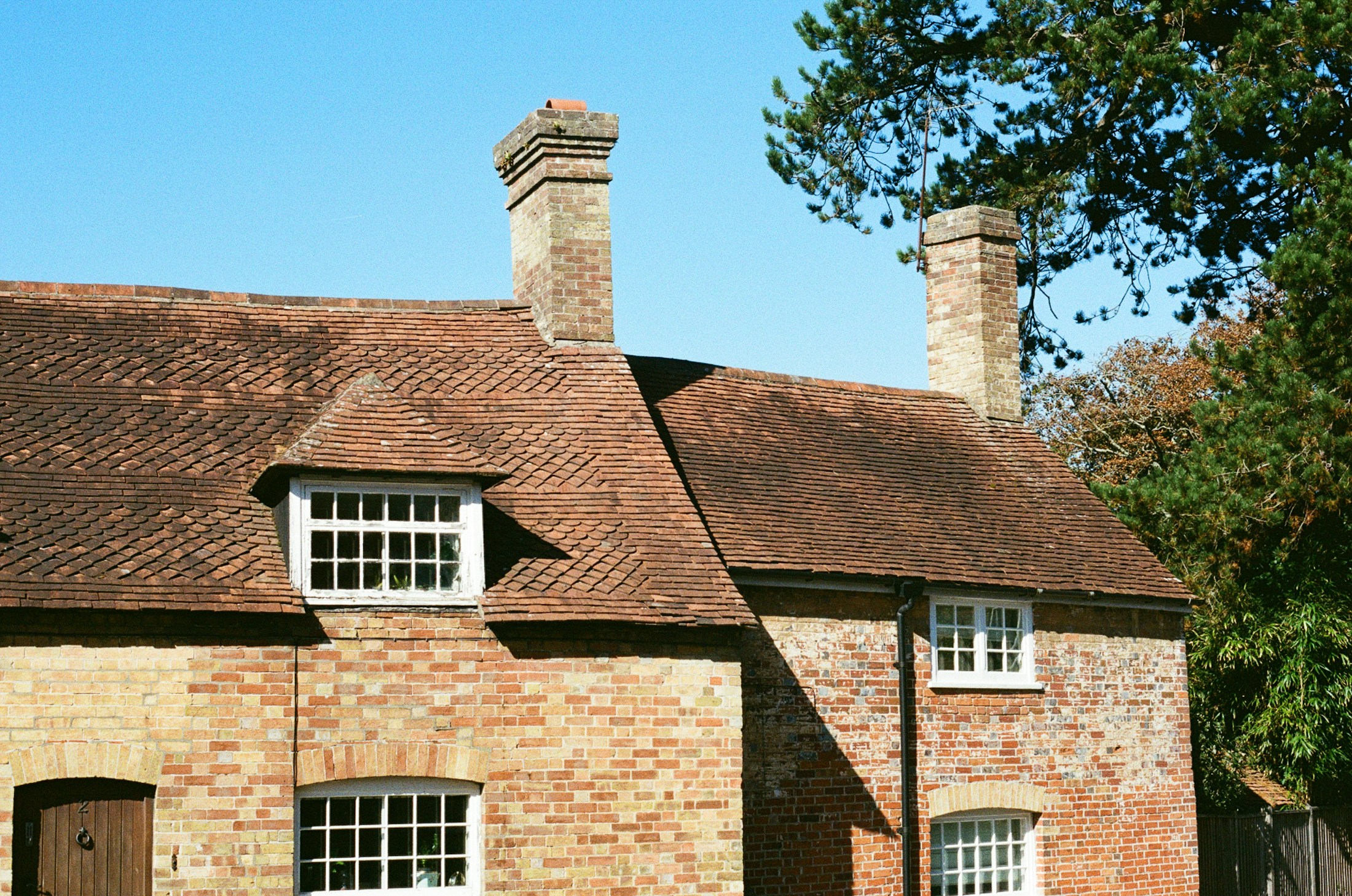
Architectural roof reference, not an Elite Roofing project
MATERIALS THAT SUIT THE PROPERTY.

Slate & tile roofingCharacter in the covering. Care in every detail.

Slate and tile choices shape the appearance of a home, but colour and profile are only part of the decision. The roof pitch, product specification, supporting structure and exposure also matter. Repair and replacement proposals should balance the character of the property with a suitable, clearly specified roofing system.

Request a roof survey
ARCHITECTURAL REFERENCE PHOTOGRAPHY
UNDERSTAND THE NEED

Look closer.
Plan properly.

The right scope begins with the condition of your property.

  • Cracked, displaced or missing slates or tiles
  • A replacement covering with a considered finish
  • Repairs requiring careful material matching
  • Advice on slate, clay or concrete options

Confirm the access, existing condition and any connected work during the assessment. Photographs can help start the conversation.

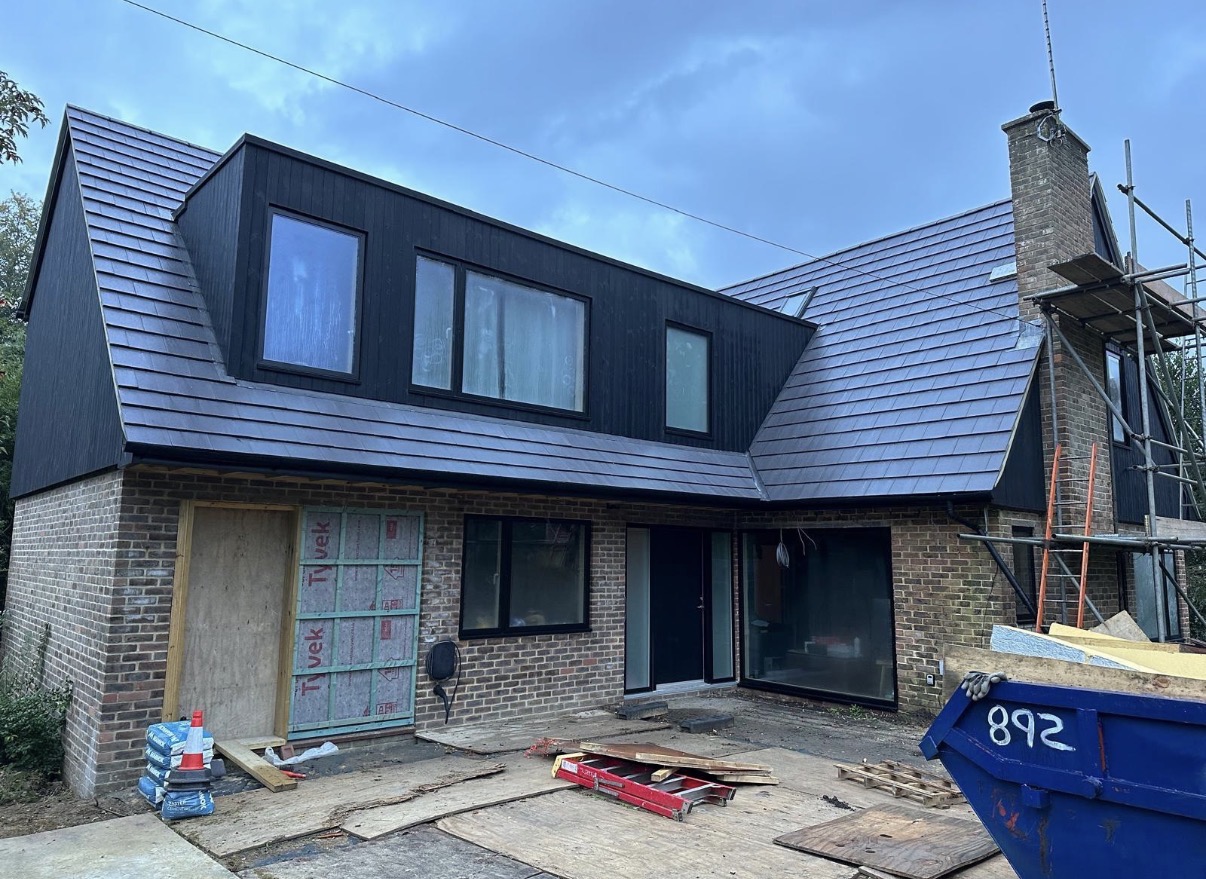
Grey tiled pitched roof around a black-clad dormer, with brick chimney and scaffolding still in place
RECENT WORK / ROOF COVERING IN PLACE

Look closer.
See the detail.

A wide view of the tiled roof, dormer and chimney. The surrounding building work is still in progress.

Explore the project photographs
THE DETAILS THAT MATTER

What the work
needs to address.

01

Choose for the actual roof

A roof covering needs to suit the particular roof and the manufacturer's requirements. The specification should consider roof geometry, the supporting structure and the conditions at the property. Samples help assess colour and texture, but appearance alone is not enough to establish that a particular tile or slate is appropriate.

02

Make repair decisions carefully

Where only part of a roof needs attention, the repair should account for the condition of the surrounding covering and its fixings. Matching material may weather differently from older pieces. The proposal should explain the intended match, the area being addressed and any practical limitations before the work is agreed.

03

Treat fixings and layers as a system

The visible covering depends on the details beneath it and the way each component is installed. Underlay, battens, fixings and ventilation should follow the project specification and product guidance. An attractive surface is only one part of the work, so quotations should identify the supporting layers included in the scope.

04

Finish the roof coherently

The completed appearance includes more than the main slopes. Ridge lines, hips, verges, valleys and the connections around chimneys and roof windows all contribute to the final result. Agreeing these details alongside the covering helps avoid uncertainty over which elements will be renewed and which existing details are intended to remain.

EXPLORE THE POSSIBILITIES

Compare
your options.

Suitability depends on the property, the selected product system and the agreed design.

Natural slate

Natural slate offers variation in tone and texture that can suit many traditional and contemporary properties. The selected product, grading, dimensions and installation requirements need consideration. A visual preference should be checked against the proposed roof specification before a choice is confirmed.

Clay tiles

Clay tiles are available in different profiles, colours and finishes. The right choice depends on the property and the roof, including the product's installation requirements. Samples are useful when comparing the finished appearance with existing brickwork, render and neighbouring roof details.

Concrete tiles

Concrete tiles provide a range of shapes and colours for pitched roofs. Product suitability, structural considerations and the required detailing matter alongside appearance. A proposed replacement should explain the selected tile and the roof components that will accompany it in the specification.

PLAN WITH CONFIDENCE

Before you
commit to the work.

Understand the difference between tile formats

Plain tiles generally form a double-lap covering, while interlocking tiles usually use a single-lap arrangement. That changes the roof's pattern and setting-out, so selecting a similar colour is only one part of choosing a replacement. The actual product, pitch and exposure inform the specification. Ask to see the proposed tile profile and how it meets ridges, verges, valleys and neighbouring roof areas.

Decide where reclaimed and new materials belong

Retaining suitable original tiles can help preserve an older roof's character, but a reclaimed finish needs a sorting and replacement plan. Ask which slopes will receive retained materials, how damaged pieces will be rejected and whether new tiles will be grouped or blended. Samples help explain the intended result; weathering and variation mean a repaired area may remain visible even when the materials are compatible.

BEFORE WORK BEGINS

A clear scope.
Fewer surprises.

Agree what is included, what remains uncertain and how any additional work will be authorised.

  1. Assessment & accessRoof condition, safe access, scaffolding and neighbouring property considerations.
  2. Materials & detailsSelected products, junctions, weather protection and connected works.
  3. Written proposalScope, exclusions, waste removal, programme and payment stages.
  4. Completion & careFinal review, outstanding items and applicable product or workmanship documents.
YOUR QUESTIONS

Know what
to ask.

Can you match the existing slates or tiles?+

A close match may be possible, but availability, age and weathering can affect the result. Identification of the existing material is an important first step. The proposal should explain the intended replacement and any visible differences, rather than promise an exact match before the material is checked.

Is natural slate always the best choice?+

There is no single covering that is right for every roof. Appearance, specification, roof geometry, structural suitability and budget all influence the decision. Comparing appropriate products for the property is more useful than choosing on a general claim that one material is universally superior.

Can the old covering be changed to a different material?+

A change may be possible, but it needs assessment. The supporting structure, roof geometry, product requirements and any applicable property restrictions should be considered. A quotation should describe the proposed complete specification, not simply substitute one visible covering for another without checking those details.

What is the difference between dry-fixed and mortar-bedded ridges?+

Dry-fixed systems secure ridge components mechanically without a mortar bed; some also provide high-level ventilation. Mortar-bedded work still needs an appropriate fixing specification. The choice should suit the roof, selected products and any relevant appearance or conservation requirements.

Why does a tile specification include a fixing schedule?+

Fixings help resist wind forces and must suit the chosen product and the property's conditions. Roof geometry, building height and exposure can affect the specification. A tile's appearance or weight alone does not establish how it should be secured.

A CLEAR NEXT STEP

Your roof.
Let’s look closer.

Whether you have noticed a problem or are planning a larger change, begin with a few details about the property and the work you have in mind.

  • A property-specific assessment
  • Repair and replacement options explained
  • A written scope before work is agreed
LEAK OR RECENT DAMAGE?

Tell us what is happening and how urgently you need help. An online enquiry does not confirm attendance or an emergency response.

A FEW DETAILS TO BEGIN

Tell us about your roof.

Only take photographs from a safe position. There is no need to climb onto a roof or use a ladder for this enquiry.

Your enquiry is sent to the roofing team. Submitting this form does not confirm a survey appointment.

Call the officeWhatsAppRequest a survey
Selected roofing project photograph